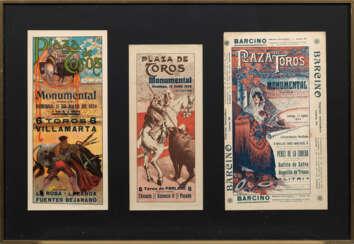
plaza f



Robert Hill Jackson or Bob Jackson is a Pulitzer Prize-winning American photographer.
Robert attended Southern Methodist University while pursuing a passion for photography. While serving in the National Guard, Jackson became a photographer for an Army general. In 1960, he began working as a photo reporter for the Dallas Times Herald newspaper.
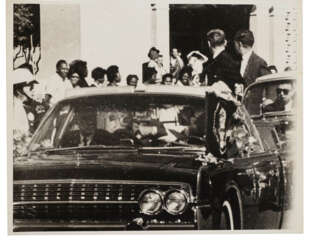
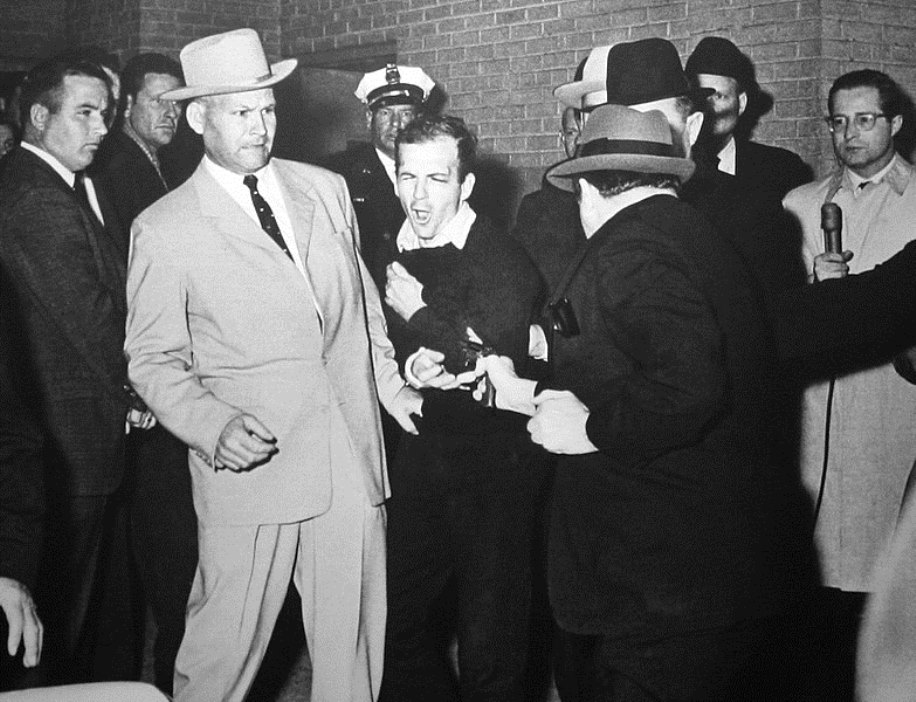
On November 22, 1963, Jackson was assigned to cover President John F. Kennedy's arrival at Love Field and his motorcade through the city. He witnessed Kennedy's assassination, but did not have time to film it. Two days later, however, he was able to photograph the shooting of Lee Harvey Oswald, the accused assassin of President Lee Harvey Oswald, by Jack Ruby in the garage of the Dallas police station. Robert Jackson was awarded the 1964 Pulitzer Prize in Photography for these photographs.
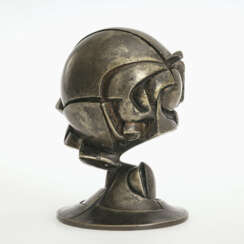

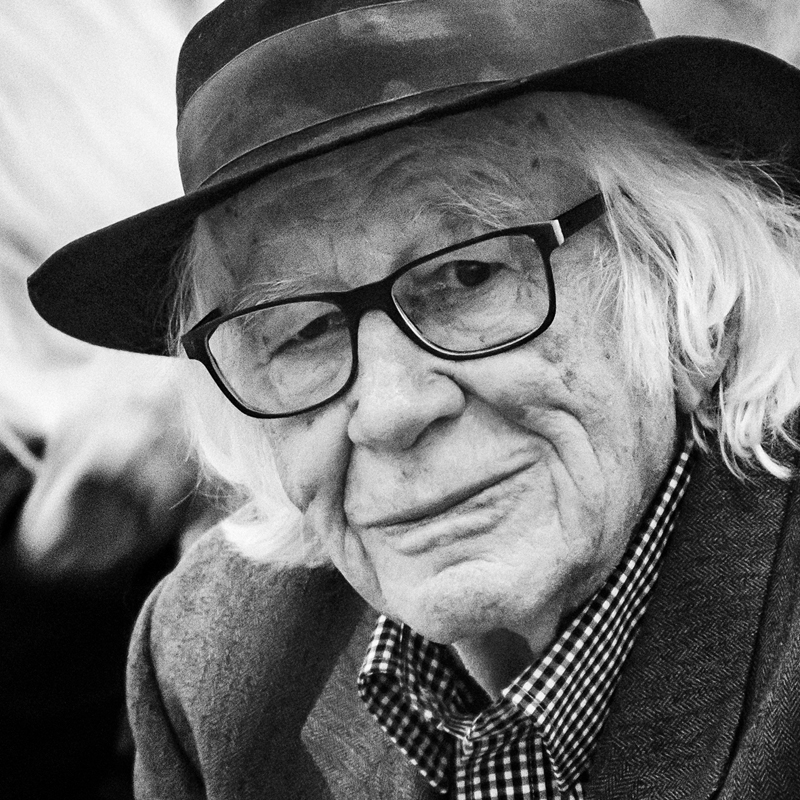
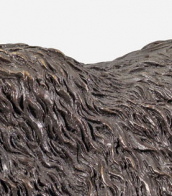
Fritz Koenig was a prominent German sculptor, recognized for his influential works in the 20th century. He studied art at the Academy of Fine Arts in Munich after World War II and later, in 1951, expanded his education in Paris on a scholarship. Koenig gained international fame, particularly for his monumental bronze sculpture, "The Sphere," originally located at the World Trade Center in New York City.
"The Sphere" became a symbol of resilience after surviving the 9/11 attacks, albeit with damage. Initially placed in Battery Park as an interim memorial, it now resides in Liberty Park, serving as a poignant reminder of endurance amidst devastation. Koenig's work delves into themes of human and animal existence, exploring the tensions between religiosity and mythology, and the fragile nature of life.
Throughout his career, Koenig participated in significant exhibitions like the Biennale in Venice and documenta in Kassel, and his works are displayed in permanent collections, such as the Hofberg Sculpture Museum in Landshut. Koenig's artistic legacy continues to inspire, embodying a deep contemplation of humanity's place in the world and the enduring spirit of art in the face of tragedy.
If you're intrigued by the artistic journey and significant works of Fritz Koenig, and wish to delve deeper into his contributions to modern sculpture, consider subscribing for updates. This subscription will keep you informed about exhibitions, sales of Koenig's works, and insightful articles that explore his artistic legacy. Stay connected to the world of art and ensure you don't miss out on the opportunity to learn more about this influential sculptor's impact on contemporary art.


Fritz Koenig was a prominent German sculptor, recognized for his influential works in the 20th century. He studied art at the Academy of Fine Arts in Munich after World War II and later, in 1951, expanded his education in Paris on a scholarship. Koenig gained international fame, particularly for his monumental bronze sculpture, "The Sphere," originally located at the World Trade Center in New York City.
"The Sphere" became a symbol of resilience after surviving the 9/11 attacks, albeit with damage. Initially placed in Battery Park as an interim memorial, it now resides in Liberty Park, serving as a poignant reminder of endurance amidst devastation. Koenig's work delves into themes of human and animal existence, exploring the tensions between religiosity and mythology, and the fragile nature of life.
Throughout his career, Koenig participated in significant exhibitions like the Biennale in Venice and documenta in Kassel, and his works are displayed in permanent collections, such as the Hofberg Sculpture Museum in Landshut. Koenig's artistic legacy continues to inspire, embodying a deep contemplation of humanity's place in the world and the enduring spirit of art in the face of tragedy.
If you're intrigued by the artistic journey and significant works of Fritz Koenig, and wish to delve deeper into his contributions to modern sculpture, consider subscribing for updates. This subscription will keep you informed about exhibitions, sales of Koenig's works, and insightful articles that explore his artistic legacy. Stay connected to the world of art and ensure you don't miss out on the opportunity to learn more about this influential sculptor's impact on contemporary art.

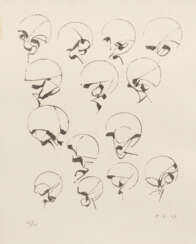

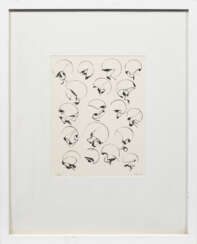

Fritz Koenig was a prominent German sculptor, recognized for his influential works in the 20th century. He studied art at the Academy of Fine Arts in Munich after World War II and later, in 1951, expanded his education in Paris on a scholarship. Koenig gained international fame, particularly for his monumental bronze sculpture, "The Sphere," originally located at the World Trade Center in New York City.
"The Sphere" became a symbol of resilience after surviving the 9/11 attacks, albeit with damage. Initially placed in Battery Park as an interim memorial, it now resides in Liberty Park, serving as a poignant reminder of endurance amidst devastation. Koenig's work delves into themes of human and animal existence, exploring the tensions between religiosity and mythology, and the fragile nature of life.
Throughout his career, Koenig participated in significant exhibitions like the Biennale in Venice and documenta in Kassel, and his works are displayed in permanent collections, such as the Hofberg Sculpture Museum in Landshut. Koenig's artistic legacy continues to inspire, embodying a deep contemplation of humanity's place in the world and the enduring spirit of art in the face of tragedy.
If you're intrigued by the artistic journey and significant works of Fritz Koenig, and wish to delve deeper into his contributions to modern sculpture, consider subscribing for updates. This subscription will keep you informed about exhibitions, sales of Koenig's works, and insightful articles that explore his artistic legacy. Stay connected to the world of art and ensure you don't miss out on the opportunity to learn more about this influential sculptor's impact on contemporary art.


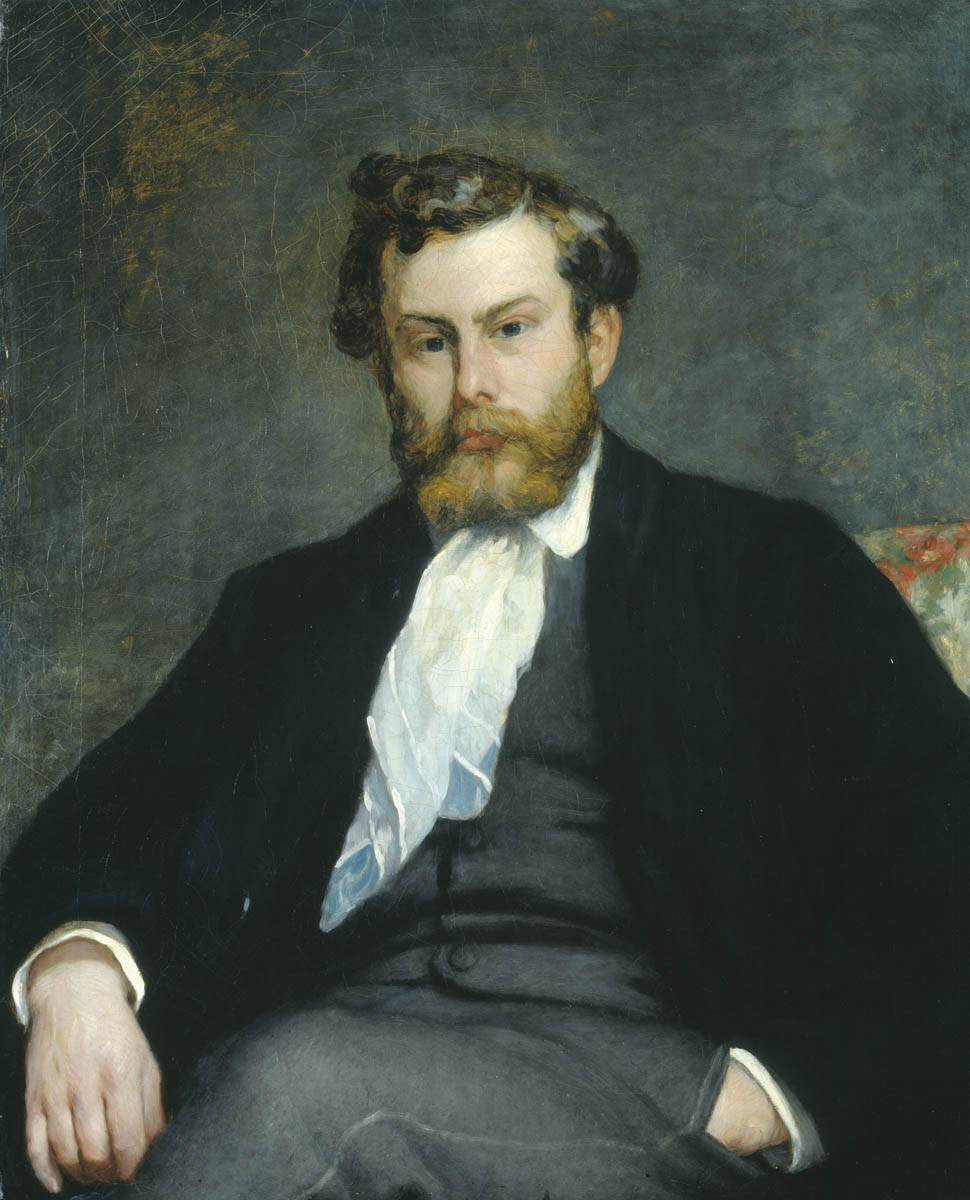
Alfred Sisley was a Franco-British painter, celebrated as a key figure in the Impressionist movement. Born in Paris to British parents, Sisley dedicated his artistic career to capturing the tranquil landscapes of his adopted France, particularly the areas around Paris and Moret-sur-Loing, where he spent his later years.
From the beginning, Alfred Sisley was a devoted landscape artist, preferring to work en plein air to capture the subtle shifts in the atmosphere and light of his surroundings. Unlike some of his contemporaries who explored urban scenes or human figures, Sisley's works predominantly feature rural settings, quiet streets, and serene river scenes, often devoid of people. His approach was deeply influenced by earlier landscape painters like Jean-Baptiste-Camille Corot, yet his style embodies the quintessential Impressionist focus on light and color.
Despite his dedication and prolific output, Alfred Sisley's work did not gain significant recognition or financial success during his lifetime. It was only posthumously that his paintings began to receive the acclaim they deserved, with his canvases now held in prestigious collections worldwide, including the Musée d'Orsay and the National Gallery.
For collectors and experts in art and antiques, Alfred Sisley's works represent a poignant chapter in the history of Impressionism, characterized by a gentle yet profound rendering of the natural world. His paintings not only reflect the beauty of the French countryside but also encapsulate the fleeting moments of light and weather, making them timeless masterpieces of Impressionist art.
For those interested in the serene beauty of Alfred Sisley's landscapes and updates on exhibitions or sales of his works, signing up for specialized newsletters can provide invaluable insights and opportunities.